
On April 10, I stood amidst the hum of a hackathon at “thea Dock” in the center of Dublin’s tech district. While over in Brussels, the EU parliament approved the Asylum and Migration Pact that allows EU countries to pay to reduce the number of people seeking asylum in their country. In my two decades working in migration, they were dissonant visions: one ushering in the future, the other trying to forestall it.
I was in the famed Silicone Docks to give an opening keynote, and then serve as a judge for “AI for Humanity,” a 2-day hackathon at Accenture’s global innovation hub, where eight teams conceptualized and pitched innovative tech solutions to address persistent challenges in humanitarian emergencies. The example given was Gaza.

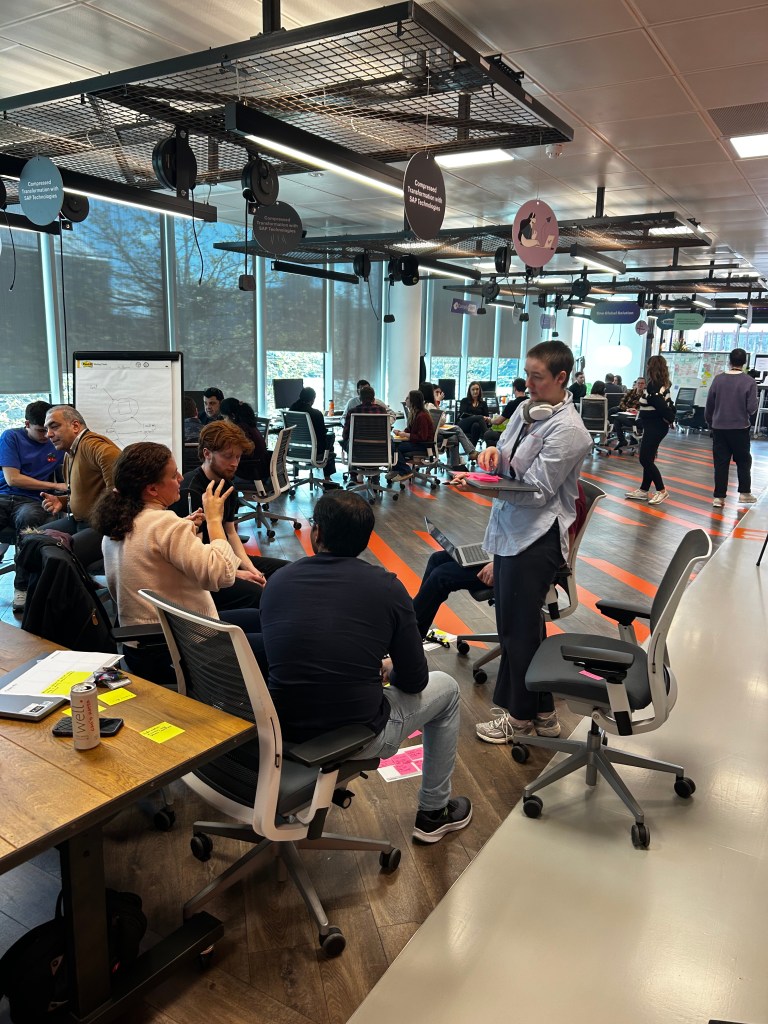



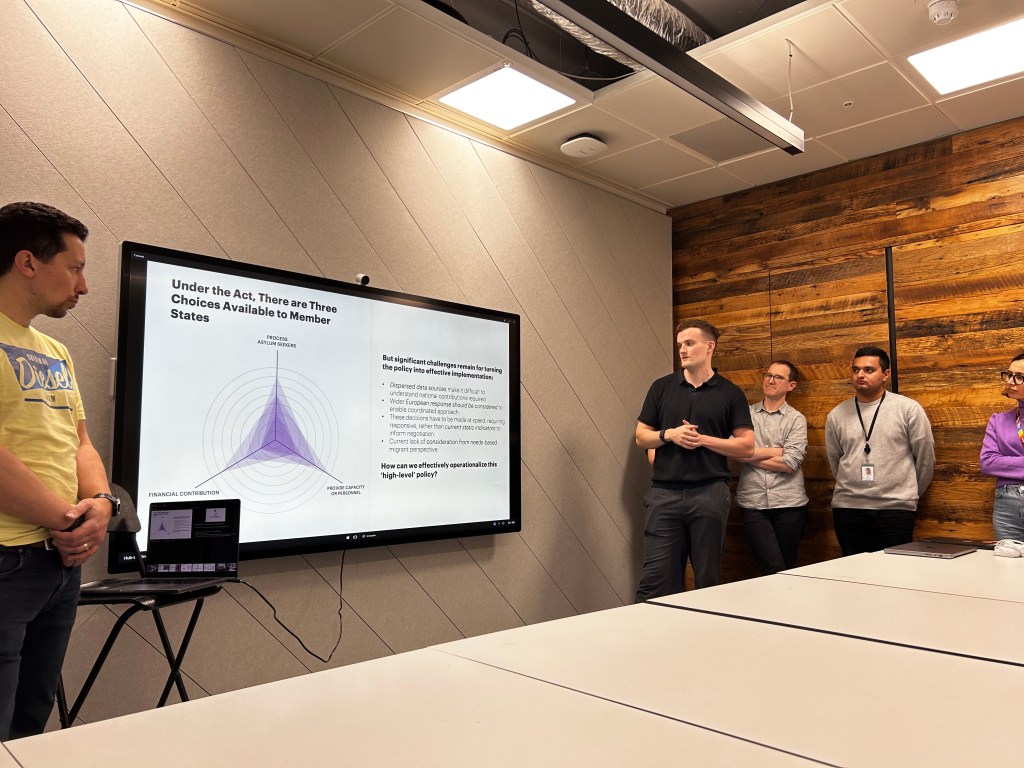
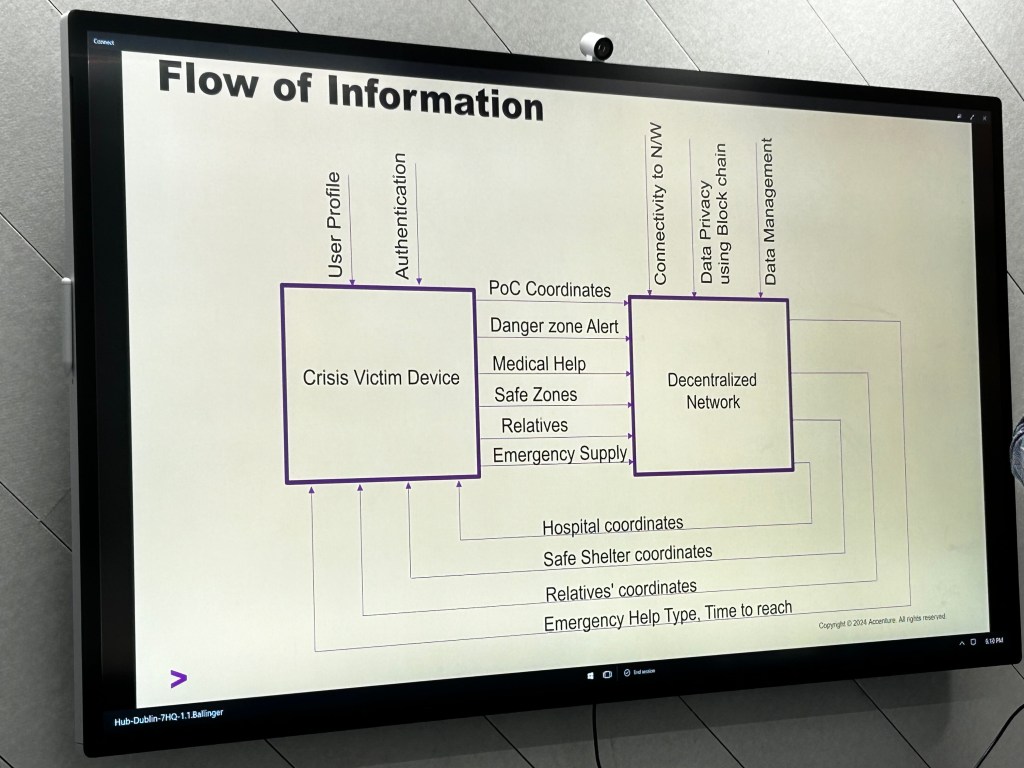
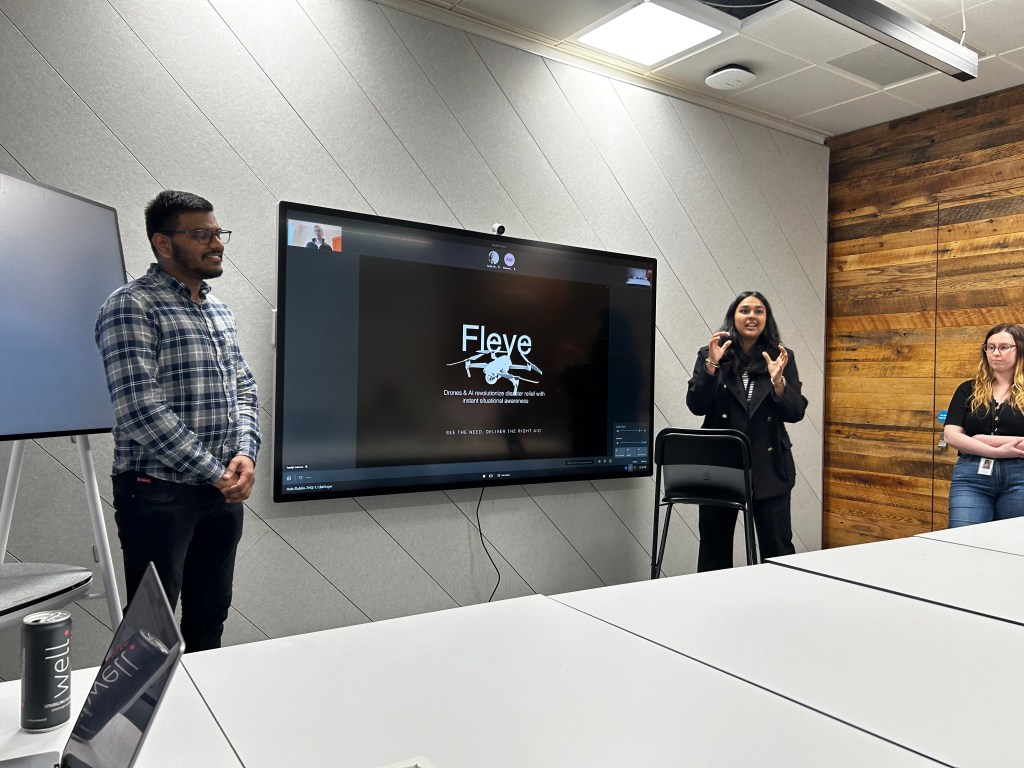
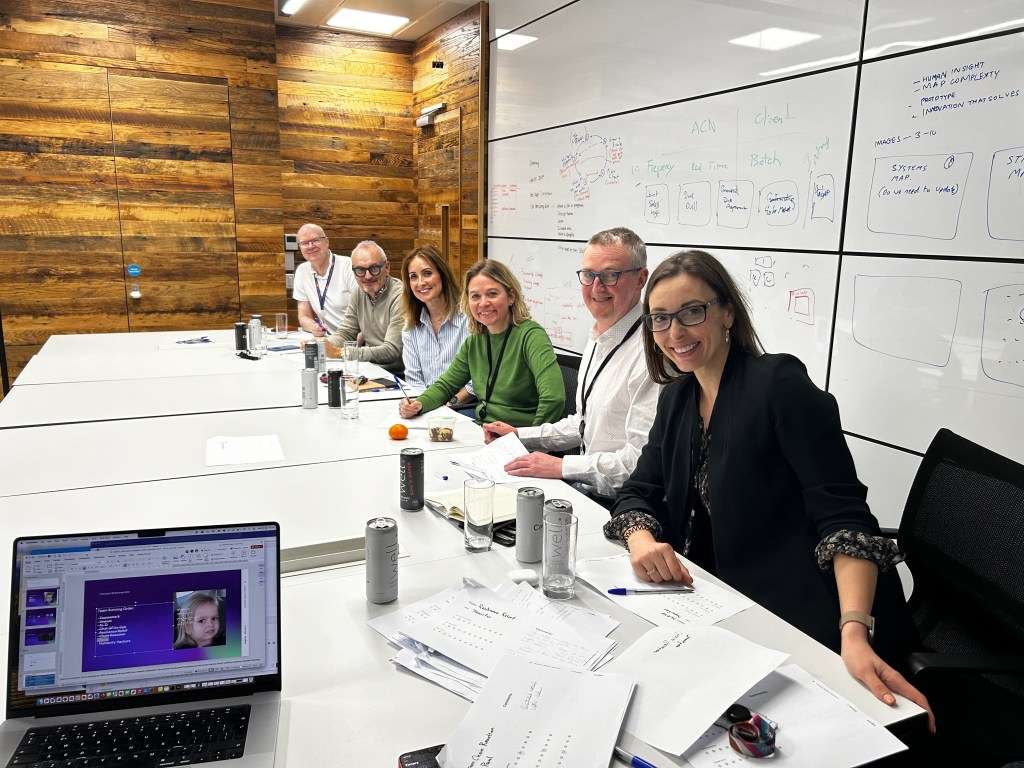
The teams were exceptionally bright, hailing from diverse backgrounds and bringing years of experience working on some of Accenture’s most complex and creative solutions. However, they were largely naïve to the realities of working in a war zone or complex disaster. They sought to grasp these realities, while generating a viable solution that could be implemented and used effectively by humanitarian organizations. The urgency of humanitarian missions often eclipses the bandwidth of organizations to embrace and integrate emerging technologies effectively. This tension shaped three key takeaways:
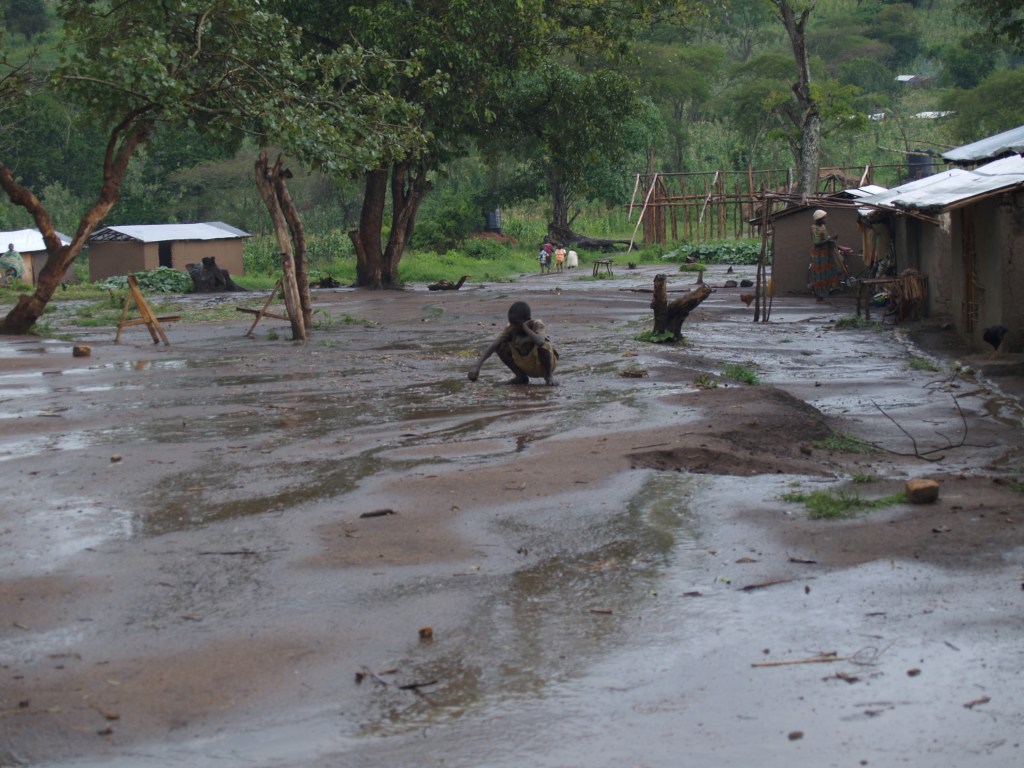
1. The Gap Between Urgency and Integration: Our UNHCR Head of Field Office in Uganda would say, we must “run like firemen!” Humanitarian organizations are shaped by the immediacy of their missions. They operate in high-stress environments, where every second counts. Yet, amidst and often due to a myriad of urgent, competing priorities, there exists a glaring gap in their capacity to understand and incorporate emerging technologies which could make certain tasks more efficient, and aid delivery more effective. AI holds immense promise in revolutionizing humanitarian aid, but until incentives are aligned and prioritized, its adoption remains hindered by a lack of time, expertise, and resources within these organizations.


2. For-Profit Companies Filling Gaps in the Humanitarian Response: The hackathon was part of a long-emerging trend: an increasing number of for-profit companies recognizing and addressing gaps in global humanitarian responses. From Airbnb opening its doors to refugees to Indeed’s initiatives for job creation and skill development among forcibly displaced individuals, to the wave of corporations donating funds, goods, and creating employment pathways for Syrian and Ukrainian refugees, corporate entities are aligning their efforts on employee engagement (internal brand management), and external impact metrics. However, corporate social responsibility often occurs in isolated silos, lacking the necessary structures and incentives to sufficiently understand how well-intentioned efforts could go wrong, and collaborate with local communities to sustain impact.
Humanitarian intervention is exceedingly complex, and fraught with failure. Experienced humanitarians have a wealth of lessons learned which could benefit CSR initiatives. Likewise, corporate technology, resources, and speed can benefit humanitarian status quo. Initiatives like the TENT Partnership, NetHope, and engagements at Davos, create a limited number of fora for corporations to learn from and support existing humanitarian efforts. But these convenings remain too few, and present high barriers to entry.
3. Ethical Challenges in the AI Landscape: As AI continues its rapid evolution, ethical and human rights considerations struggle to keep pace. International NGOs, the UN and now corporations find themselves grappling with the ethical implications of AI deployment in humanitarian contexts. Questions of bias, privacy, and accountability loom large, demanding nuanced frameworks and robust safeguards to ensure AI’s responsible, equitable use. For example, in Dublin we grappled with evaluating proposals that would have been subject to numerous restrictions if implemented in Europe, yet we also recognized that those parameters were created under assumptions of reliable access to safe medications and healthcare. In a context such as Gaza, balancing ethics and efficacy is deeply problematic, when the alternative to any action can be fatal.
Last week, back home in Canada after similar engagements in the US last month, I met again with the Accenture team developing the winning solution, and advancing the responsible use of AI in humanitarian endeavors.
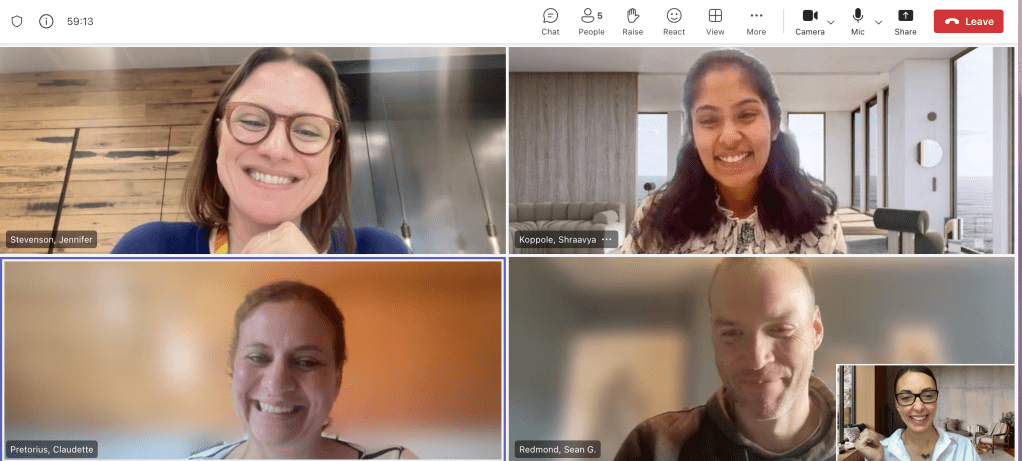
The hackathon served as a microcosm of the broader challenges and opportunities inherent in harnessing AI for humanitarian purposes. It underscored the pressing need to bridge the gap between humanitarian organizations and tech innovators. Leveraging genAI, and emerging technologies can and should be employed to address the most pressing global crises. It is not a case of “if,” or even “when,” but fairly urgently, we must focus on “how.”
 Jen Freeman, CEO PeaceGeeks
Leave a comment